What we have learned buying in China
Thirty-three articles on padel and racket sports, sports equipment, home goods, textiles, quality control and international freight. Written by the people who walk the factory floor, not by a content agency.
Where to start

Sourcing from China in 2026: the order of operations that avoids most disasters
Specification, shortlist, audit, sample, contract, inspection, freight. The order matters more than any single step, and importers lose money reordering it.
Continue reading →
How a padel racket is actually made, and where the price hides
Carbon layup, EVA core, mould time and paint: the four variables that move a padel racket from 18 to 45 dollars at the factory gate, and where each one hides.
Continue reading →All articles
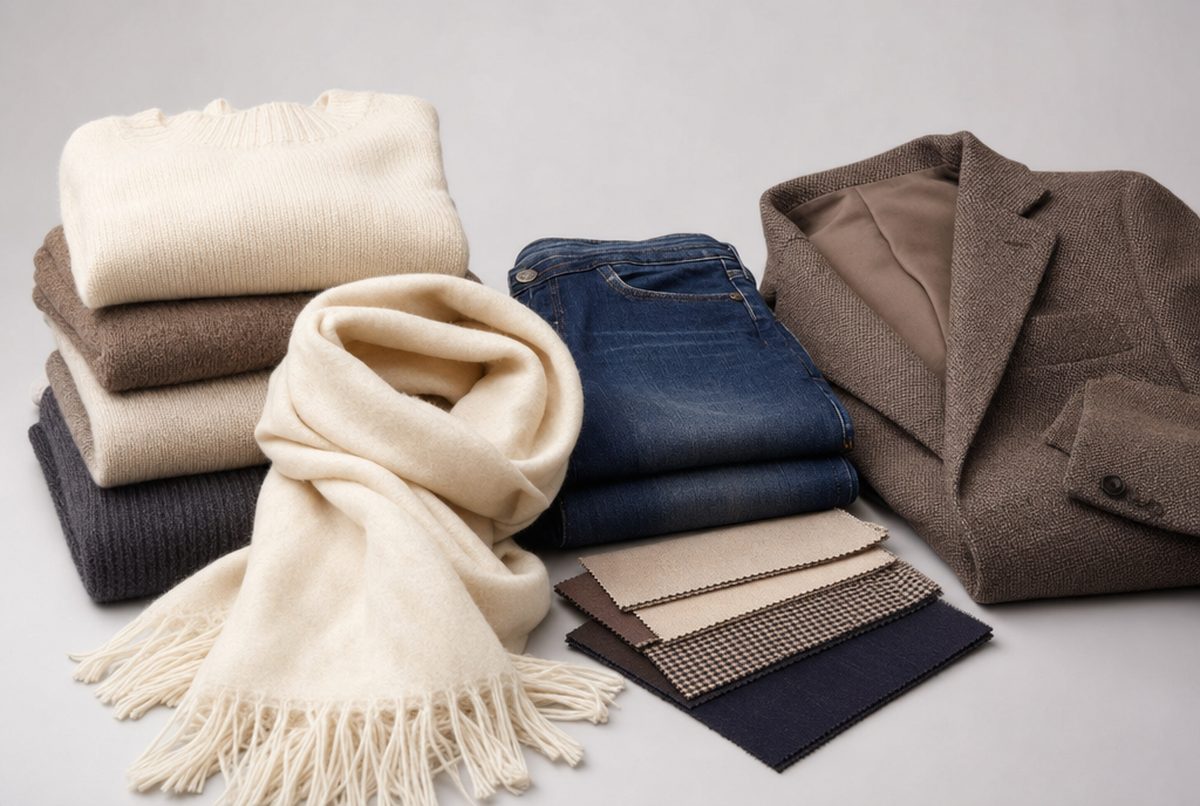
Care labels and fibre content: the paperwork that holds a container at customs
What a care label actually has to declare, why a factory's stated fibre content can differ from the lab result, and when to finalise the label in production.
Continue reading →
Flat-pack or assembled: the packaging call that decides your container count
Why the same furniture item can ship four to one against itself by panel layout alone, and how to choose flat-pack or assembled before you cut the tooling.
Continue reading →
Demurrage and detention: the invoice that arrives after the container is gone
What demurrage and detention actually charge for, why free time is shorter than importers assume, and how to read a carrier's free-time table before it lands.
Continue reading →
Vetting a new supplier: the audit that happens before the deposit
A checklist for verifying a new Chinese supplier before any money moves: the licence check, the range test, and the video call that filters most suppliers out.
Continue reading →How a padel racket is actually made, and where the price hides
Carbon layup, EVA core, mould time and paint: the four variables that move a padel racket from 18 to 45 dollars at the factory gate, and where each one hides.
Continue reading →
3K, 12K, 18K: what the carbon numbers on a padel racket actually mean
The carbon weave number on a padel racket describes the fabric, not the quality. Here is how to read it, and how to check what the factory really used.
Continue reading →Sourcing from China in 2026: the order of operations that avoids most disasters
Specification, shortlist, audit, sample, contract, inspection, freight. The order matters more than any single step, and importers lose money reordering it.
Continue reading →
EVA soft, medium or hard: the core decides the racket
EVA core density sets the feel, the power and the lifespan of a padel racket. It is also the easiest thing for a factory to substitute without you noticing.
Continue reading →
Sea, air or rail: choosing the mode by cash flow, not by habit
How to choose a freight mode from China: cargo value density, transit time, working capital tied up on the water, and the rail option most importers forget.
Continue reading →
Factory or trading company: how to tell, and when it matters
Most Chinese suppliers presenting as manufacturers are trading companies. How to find out, and why the answer changes your price and your quality control.
Continue reading →
OEM or ODM: starting a padel brand with 300 rackets
How to launch a padel racket brand from China with a realistic first order: existing moulds, your own paint, and the tooling decision you should postpone.
Continue reading →
AQL explained: what 2.5 and 4.0 actually mean for your container
AQL sampling explained in plain language: how sample sizes, major and minor defects, and accept or reject numbers decide whether your container actually ships.
Continue reading →Reading is cheaper than a failed container.
If any of this is your problem right now, send us the product and the target market. You get a plan, not a pitch.
Send a sourcing brief