The container is the real customer
Freight is paid on space, not on how clever the design is. A 40-foot high cube holds roughly 68 cubic metres, and every wasted centimetre inside that box is freight you paid for and did not need.
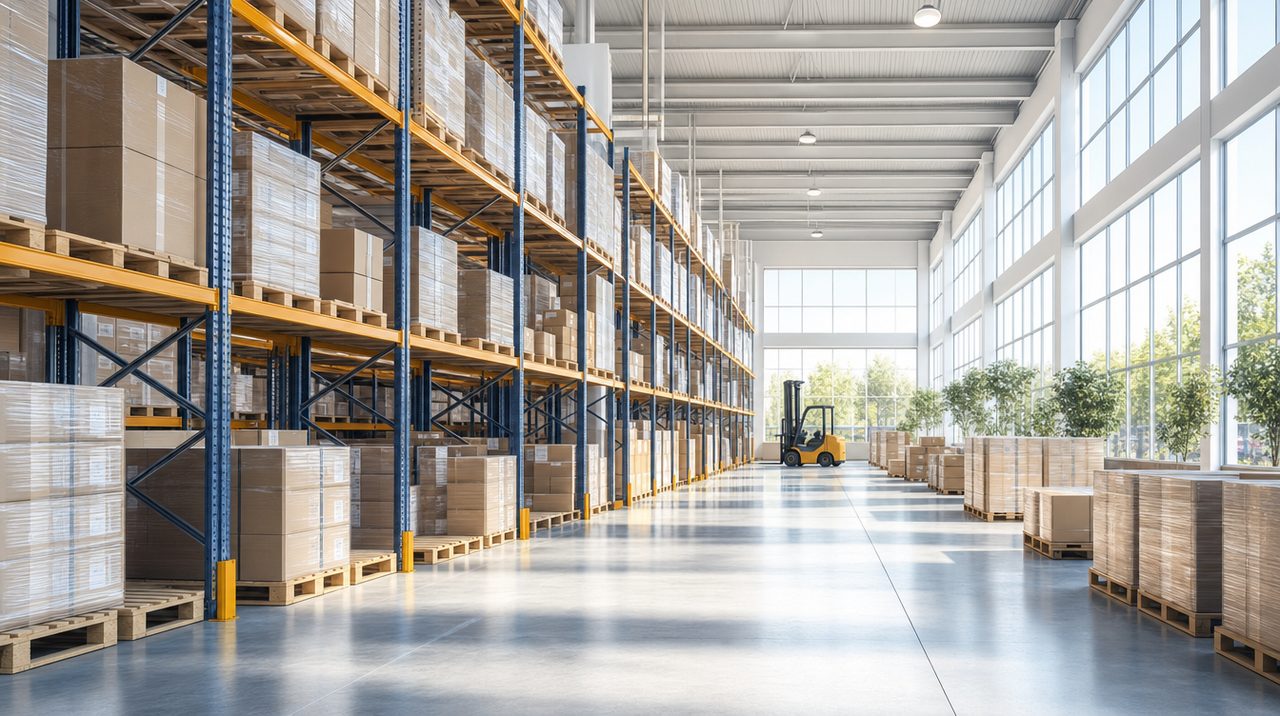
An assembled item ships at its full three-dimensional footprint. The carton is mostly the shape of the product, and most of that shape, for anything with legs, arms or a hollow underside, is air.
Where flat-pack actually saves space, and where it does not
Flat-pack wins when the panels genuinely nest: a tabletop, four straight legs and a hardware bag stack with almost no gap between them. It stops winning the moment the design still contains a bulky, non-nesting core, an upholstered seat, a curved arm, a moulded shell. Folding that flat does not make it flat. It just adds a hinge and a bag of screws to something that still ships like a box.
Ask the factory for the actual packed carton dimensions of the flat-pack version, and calculate the cubic metres per unit yourself. Flat-pack on a spec sheet is a claim. A carton dimension is a measurement.
What assembly buys you instead of cube
No assembly instructions at destination, no missing-screw complaint, no return from a customer who assembled a load-bearing joint incorrectly. For anything structural, or anything with glass, that risk is not trivial.
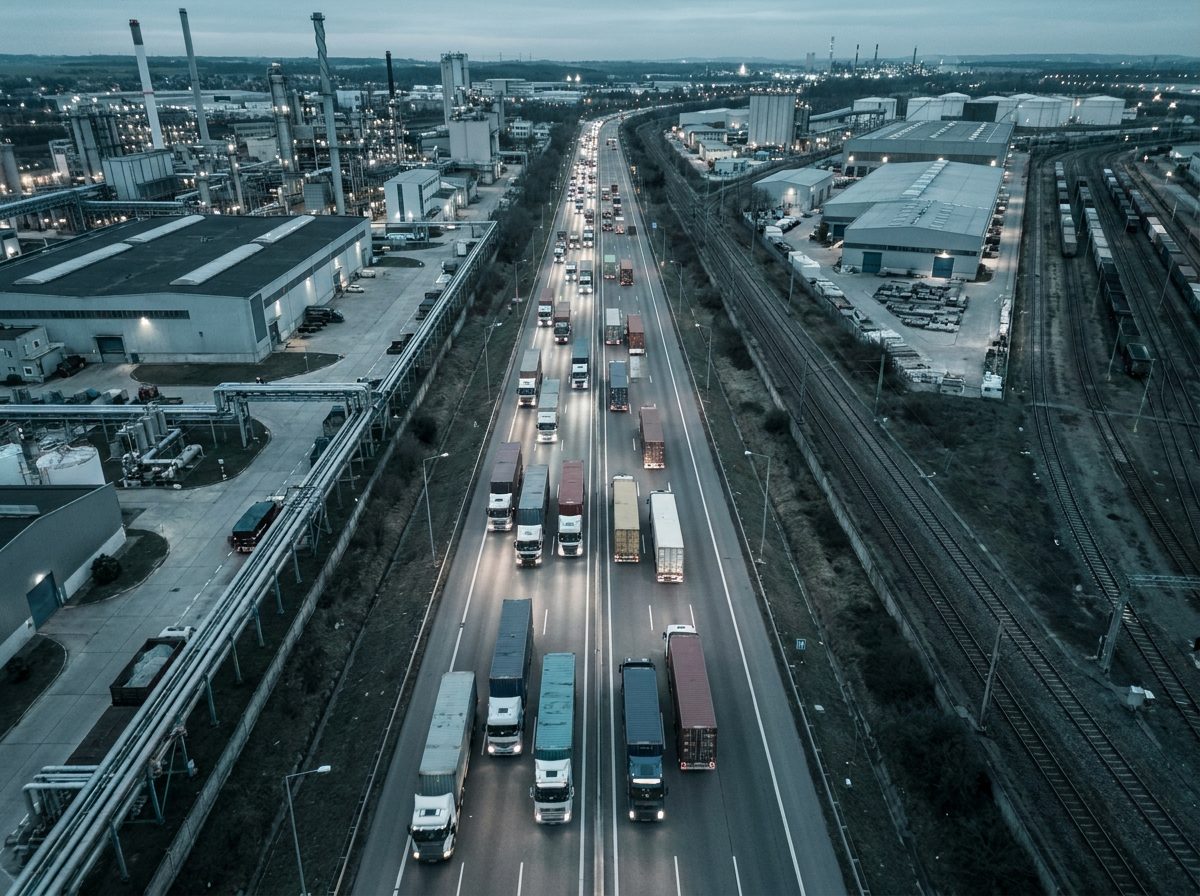
For a product where a failed assembly is a safety question rather than a cosmetic one, shipping it assembled, or partially assembled, can be the right call even at a real cube penalty.
Deciding before the tooling, not after
The decision belongs at the design stage, not after the mould is already cut. Retrofitting a design for flat-pack once tooling is committed usually means paying for a second tooling round.
We ask for a packed sample, not a product sample, before we sign off the cube on any home goods order: the folded carton, sealed and taped, measured on our own tape, not read off the factory's drawing.
- A 40-foot high cube holds roughly 68 cubic metres. Every centimetre of air in the carton is freight you paid for and did not need.
- Flat-pack only saves space when the panels genuinely nest. Ask for the real carton dimensions, not the word flat-pack on a spec sheet.
- Assembled removes assembly risk at destination. That is sometimes worth the extra cube, especially on load-bearing or glass items.
- Decide the packaging format at the design stage. Changing it after tooling is committed is usually a second tooling cost.


