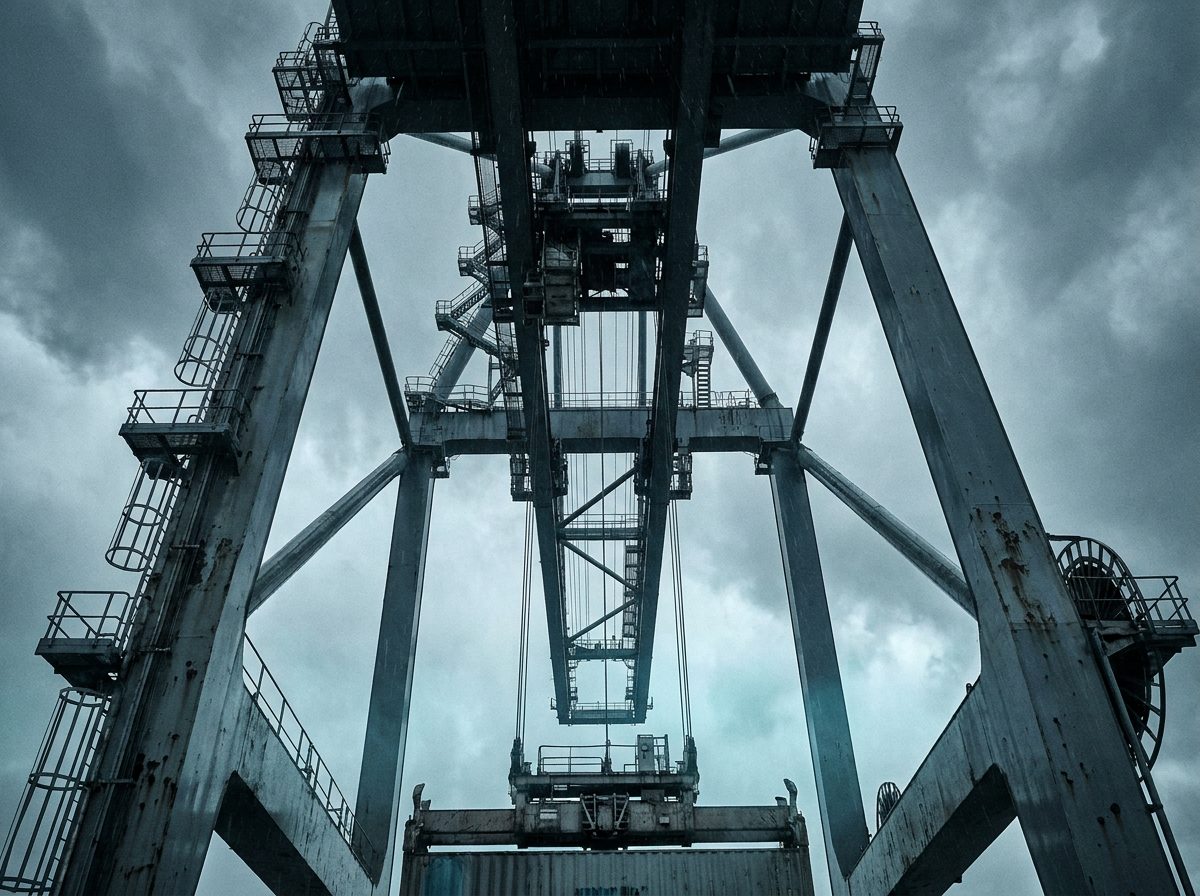
Two charges, two different clocks
Demurrage is charged for a container sitting at the terminal past its free time, before you or your trucker have picked it up. Detention is a separate charge that starts once the container leaves the terminal, still holding your cargo obligation, and sits with you unreturned past its own free time.
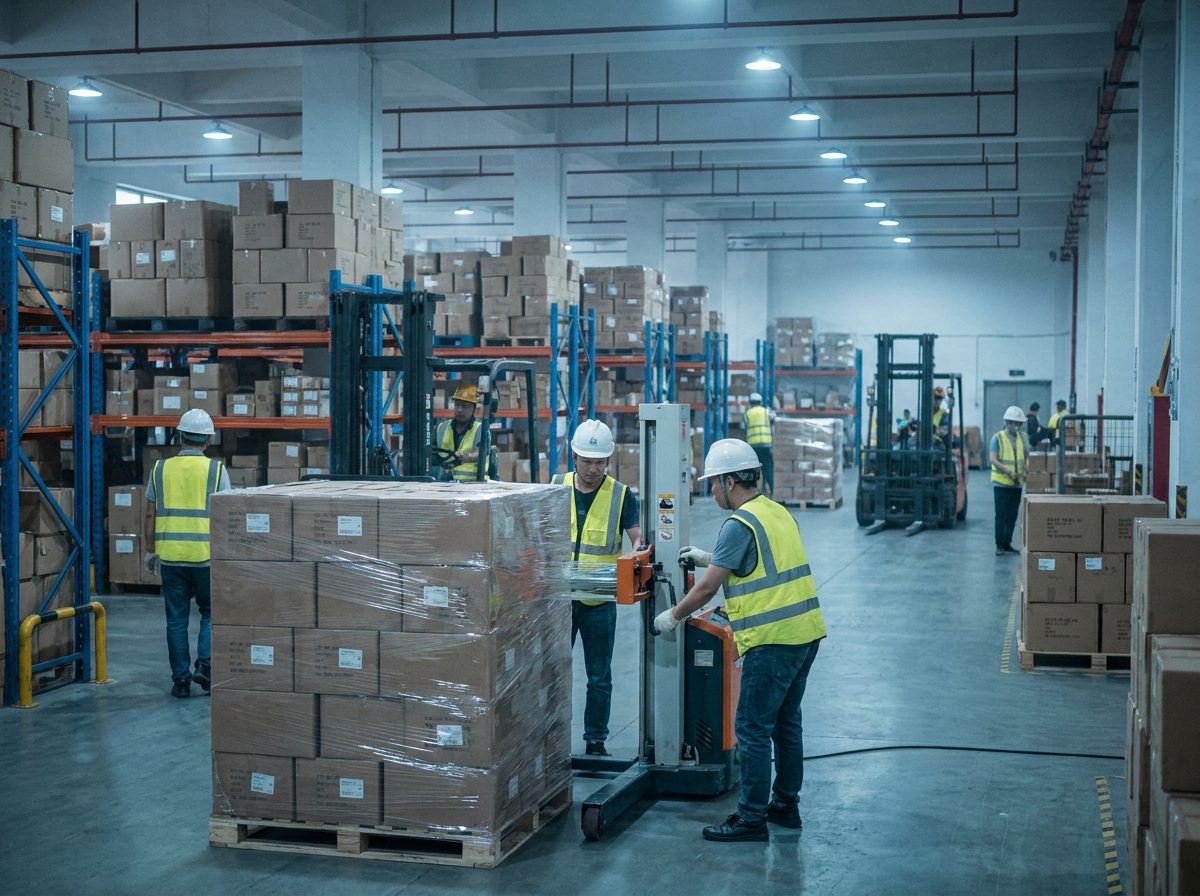
The two can stack back to back on the same box: demurrage while it waited to be collected, detention while it waited to be returned empty. A shipment that looks like a two-day delay on paper can quietly be two separate charges running in parallel.
Why the free time is shorter than you think
Free time is commonly somewhere between three and seven days for each charge, but the number that matters is the one in your specific carrier's tariff for that specific port, not a rule of thumb repeated in a forum. Weekend and holiday counting rules differ by port, and a container that lands on a Friday can burn two of its free days before Monday's business hours even start.
Peak season compresses the number further. When a terminal runs near capacity, the carrier has every incentive to move containers off the yard fast, and the free-time policy is one of the levers that does it.
Where the charge actually comes from
A documentation delay you do not control, a customs hold, a missing certificate, still starts the clock. The terminal does not pause billing to establish whose fault the delay was.
The daily rate usually increases in tiers the longer the container sits, so a delay that starts as a rounding error becomes real money by the second week. And the charge is billed to the consignee named on the bill of lading, regardless of who actually caused the hold-up.
How to avoid paying it
Book destination trucking and customs clearance before the vessel arrives, not after it lands. The paperwork that clears a container can usually start days before the ship docks.
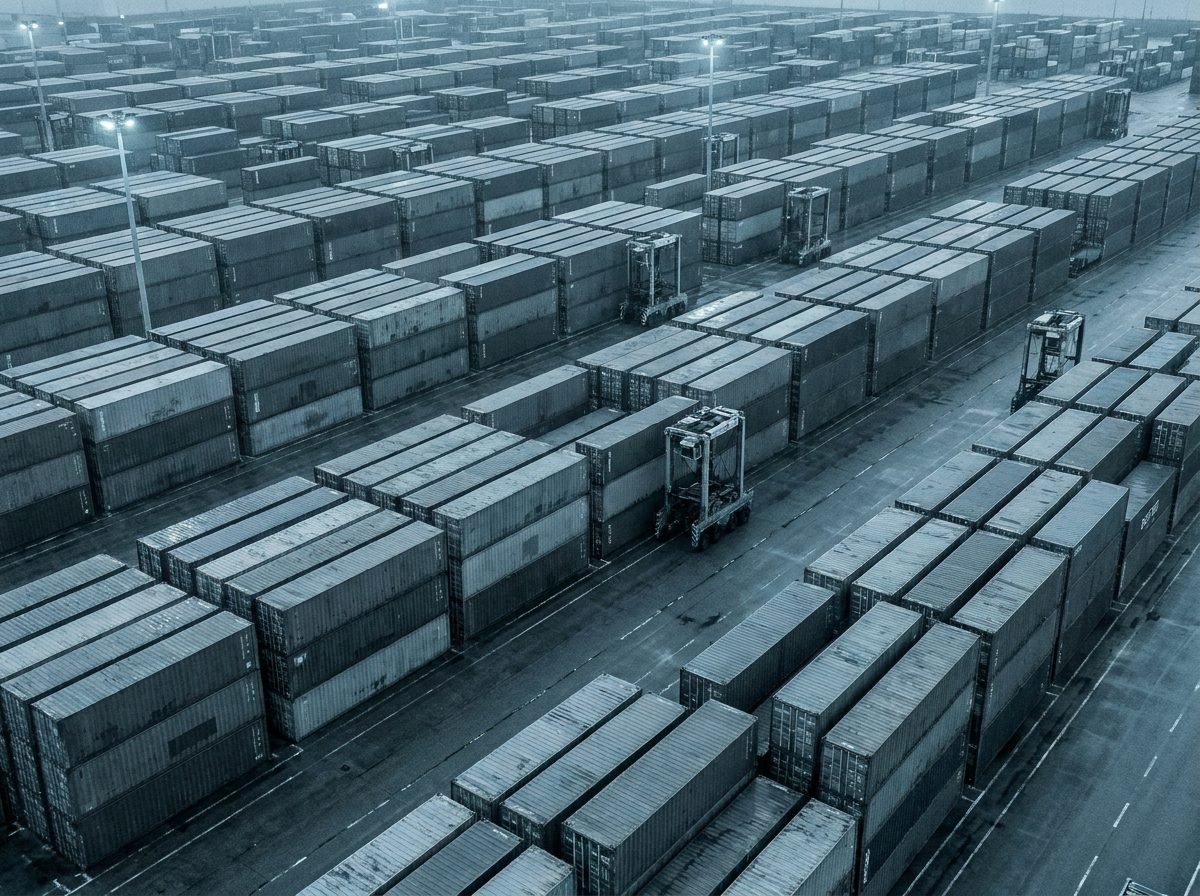
Track the actual free-time table for your specific carrier and port before the ETA, not a number a colleague remembers from a different shipment. And if the delay was caused by the carrier's own congestion rather than your paperwork, ask whether it can be disputed. It sometimes can.
- Demurrage is the terminal clock. Detention is the clock after you take the container out. Track both separately.
- Free time is commonly three to seven days, and it varies by carrier, port and trade lane. Check the actual table, not a rule of thumb.
- The charge follows the container to the consignee on the bill of lading, regardless of who caused the delay.
- Book trucking and clearance before the vessel arrives. Reacting after arrival is what makes the invoice large.